Newsletter Subscribe
Enter your email address below and subscribe to our newsletter

 ByJohn A
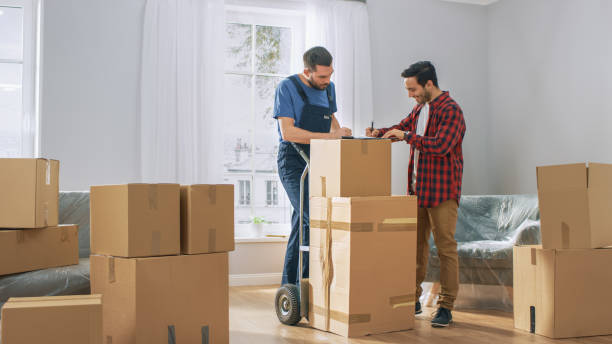
Moving day can be exciting, but it can also become stressful if everything is left until the last minute. Packing household belongings, preparing furniture, organising important documents, and making sure both properties are ready requires careful planning. Whether you are moving to another suburb or relocating to a different part of Melbourne, preparing in advance can make the day much easier to manage.
If you are arranging Melbourne Movers Packers for your relocation, having your belongings and property prepared beforehand can help the moving process run more smoothly. From creating a checklist to preparing an essentials bag, there are several practical steps you can take before the moving team arrives.
A checklist is one of the simplest ways to keep track of everything that needs to be completed.
See also: Why Are IT Asset Disposal Services Important for Businesses?
Write down the tasks that need to be completed before the move. These may include packing remaining belongings, disconnecting appliances, checking cupboards and storage areas, preparing keys, and confirming access to the new property.
A written checklist reduces the chance of forgetting small but important tasks during a busy moving day.
Some tasks need to be completed before others. For example, important documents and personal essentials should be kept accessible rather than packed into boxes that will be difficult to reach.
Prioritising your tasks can help you use your time more efficiently.
Ideally, most of your belongings should already be packed before moving day arrives. Trying to pack large amounts of household items while the move is taking place can slow down the process.
Every box should have a clear label identifying its room and general contents. Fragile boxes should also be marked appropriately.
For example, labels such as “Bedroom – Clothing” or “Kitchen – Glassware – Fragile” can make it easier to identify where boxes belong once they reach the new property.
Avoid making boxes excessively heavy. Heavy items such as books can be distributed among smaller boxes, while larger boxes can be used for lighter belongings such as clothing, bedding, and cushions.
Well-packed boxes are easier to handle and organise.
Furniture often requires additional preparation because large items can be difficult to carry through doorways and hallways.
Where appropriate, furniture such as beds, tables, shelving units, and certain cabinets can be disassembled before moving.
Keep screws, bolts, brackets, and other small components together in clearly labelled bags. This can make reassembly easier after you arrive at the new property.
Remove loose items from drawers, cupboards, and shelves before furniture is moved. This reduces unnecessary weight and prevents belongings from falling out during handling.
Pack the contents separately and label the boxes according to their room.
Taking precautions before transportation can help reduce the possibility of accidental damage.
Furniture and fragile items can be protected using appropriate wrapping, padding, blankets, or other suitable materials.
Pay particular attention to glass surfaces, mirrors, electronic equipment, furniture corners, and other delicate areas.
Moving heavy furniture through a property can potentially affect floors, walls, and door frames. Clear the planned pathways and use suitable protective coverings where necessary.
Removing obstacles from hallways and entrances can also make the movement of large items easier.
Access is an important consideration when preparing for moving day.
Look at the route between the rooms and the location where the moving vehicle will be parked. Consider stairs, narrow hallways, gates, driveways, and other potential obstacles.
If a large piece of furniture has to pass through a particularly narrow area, consider the best route beforehand.
The same checks should be made at the destination. Make sure there is a suitable route from the unloading area to the rooms where furniture and boxes need to be placed.
If you are moving into an apartment, check lift access and any building requirements before moving day.
Parking can affect how quickly furniture and boxes can be loaded and unloaded.
If parking is limited at either property, consider where the moving vehicle can safely stop while loading or unloading.
In busy areas, planning this in advance can help reduce unnecessary delays.
Some apartment buildings may have rules regarding moving times, lift use, loading zones, or access to common areas.
Contact the building manager or relevant property representative beforehand if you need clarification about these requirements.
After a long day of moving, you may not want to open multiple boxes simply to find basic necessities.
An essentials bag can contain items such as:
Keep this bag somewhere easily accessible throughout the move.
Important documents, jewellery, keys, personal electronics, and other valuable belongings may be better kept separately and transported securely.
Keeping important possessions accessible can make moving day less stressful.
Certain household appliances require preparation before transportation.
Refrigerators, washing machines, dryers, and other appliances may need to be disconnected and prepared before they are moved.
Follow the relevant manufacturer’s instructions or seek appropriate assistance where necessary, particularly for appliances involving water, gas, or electrical connections.
Arrange the connection or transfer of essential utilities at your new home. Depending on the property, this may include electricity, gas, water, internet, and other services.
Planning these arrangements ahead of time can make settling into the new property easier.
Moving can involve several documents, including property paperwork, rental information, identification, moving arrangements, and other personal records.
Keep important documents together in a secure folder or bag rather than placing them inside a general moving box.
Having these documents accessible can be useful if you need to refer to them during the relocation.
Clear communication can help avoid confusion on moving day.
When arranging Melbourne Movers Packers, provide accurate information about the size of your move, furniture, access conditions, stairs, lifts, and any particularly large or fragile items.
The more accurate the information provided beforehand, the easier it can be to plan the move appropriately.
Before moving day, confirm important details such as the date, arrival time, property addresses, access arrangements, and services being provided.
Having the same information available to everyone involved can help the day run more efficiently.
If you have access to your new property before moving day, take some time to prepare it.
Cleaning empty rooms is generally easier than cleaning after furniture and boxes have been placed inside.
If possible, clean floors, cupboards, bathrooms, and other areas before your belongings arrive.
Decide where major furniture pieces should go before unloading begins. A basic floor plan can help you determine where beds, sofas, dining tables, wardrobes, and other large items should be positioned.
This can reduce the need to move heavy furniture multiple times.
Before leaving your old property, walk through every room and check cupboards, wardrobes, drawers, storage areas, balconies, garages, and outdoor spaces.
It is easy to overlook small belongings when there are many boxes and furniture pieces being moved.
A final walkthrough can help ensure that nothing important has been left behind.
Make sure windows and doors are secured as appropriate, rubbish has been removed, and keys are handled according to your property arrangements.
Moving day becomes much easier when the preparation is completed beforehand. Packing your belongings, preparing furniture, checking access, organising parking, protecting fragile items, and keeping essential possessions separate can all contribute to a more efficient relocation.
If you are arranging Melbourne Movers Packers, providing accurate information about your belongings and property access can also help with moving-day preparation. Clear communication and an organised checklist can reduce confusion and unnecessary delays.
Most importantly, avoid leaving everything until the last moment. By preparing gradually and completing the essential tasks before moving day, you can make the relocation more organised and focus on settling into your new home.