Newsletter Subscribe
Enter your email address below and subscribe to our newsletter

 ByJohn A
Removing a tree from your property does not always mean the job is completely finished. In many cases, the remaining stump can continue to take up valuable space, interfere with landscaping and create ongoing maintenance concerns. Whether a tree was removed because it was diseased, damaged or no longer suitable for its location, dealing with the remaining stump can help keep your outdoor area safer and more practical.
Stump Removal in Cockatoo can be a useful solution for homeowners who want to reclaim garden space, improve the appearance of their property and reduce potential problems associated with old tree stumps. Understanding the available methods and important considerations can help you decide how best to manage a stump on your property.
A tree stump may initially seem harmless, particularly when it is located away from the house or main garden areas. However, an old stump can create several issues over time.
As the stump deteriorates, it can become difficult to mow around and may interfere with landscaping projects. It can also become an obstacle in areas where children play or where people regularly walk.
Some common reasons homeowners consider stump removal include:
The right approach depends on the stump’s size, location, condition and what you intend to do with the area afterwards.
Removing an unwanted stump can provide more than an immediate improvement in appearance. It can make future landscaping and property maintenance considerably easier.
A large stump can prevent you from using an area of your garden effectively. Once the stump and appropriate surrounding material have been removed, the space can potentially be used for lawn, planting, paving or other landscaping features.
This can be particularly useful in smaller gardens where every section of available space matters.
An old stump can make an otherwise well-maintained garden look unfinished. Removing it creates a cleaner appearance and gives homeowners more flexibility when planning their outdoor space.
The area can then be replanted or incorporated into an existing garden design.
Stumps can become difficult to see, especially when grass, weeds or other vegetation grow around them. Their uneven surfaces can create a potential trip hazard for residents and visitors.
Removing an exposed stump can make pathways, lawns and frequently used outdoor areas easier to navigate.
Mowing around a stump can be inconvenient and may require additional trimming. Low or partially buried stumps can also be difficult to identify when grass grows over the surrounding area.
Removing the stump allows equipment to move more freely and can simplify routine garden maintenance.
Certain trees can produce new shoots from remaining roots or the stump itself. Simply cutting a tree at ground level may not always prevent regrowth.
Depending on the species and circumstances, removing or grinding the stump can help address this issue and make future management easier.
There is more than one way to deal with a tree stump. The most suitable method depends on factors such as the stump’s diameter, root system, accessibility and surrounding structures.
Stump grinding is a common professional method. A specialised machine is used to grind the stump down below the surrounding ground level.
The resulting wood material can generally be cleared or used as mulch where appropriate. Stump grinding is often useful when homeowners want to remove the visible portion of a stump without excavating the entire root system.
It can also be suitable where there are nearby structures or landscaping features that make extensive excavation difficult.
Complete removal involves digging around the stump and cutting or removing the remaining roots so that the stump can be lifted from the ground.
This approach may be appropriate when the entire root system needs to be addressed, particularly when the area is going to be used for construction or significant landscaping.
However, larger stumps can have extensive root systems, making complete excavation more labour-intensive.
Some homeowners choose to leave a stump to decay naturally. Over time, fungi, insects and microorganisms break down the wood.
While this requires little immediate effort, natural decomposition can take a considerable amount of time. It also means the stump remains in place and may continue to occupy space or interfere with garden maintenance.
For homeowners wanting to use the area relatively soon, professional removal or grinding may be more practical.
Before arranging Stump Removal in Cockatoo, it is worth considering what is around the stump and how you plan to use the space afterwards.
Underground utility services may be present around a stump. Digging or using heavy equipment without understanding what is beneath the ground can create serious safety risks.
The location of relevant underground services should be established before excavation or other substantial ground disturbance.
The stump’s proximity to buildings, retaining walls, fences, paths and driveways can influence which removal method is appropriate.
A professional assessment can help identify potential obstacles and determine how the work can be carried out safely.
A tree’s roots can extend well beyond the visible stump. Complete removal may therefore require considerable excavation.
In some circumstances, grinding the stump below ground level may provide a more practical solution, particularly when the surrounding root system does not need to be fully removed.
See also: Grow Your Business With PPC Services in Wooster, OH
Removing the stump is only part of restoring the area. Once the stump has been removed or ground down, the resulting space may need to be cleaned and prepared.
Depending on the project, you may choose to:
The choice of replacement planting should take into account the available space, sunlight, soil conditions and the mature size of the new plant.
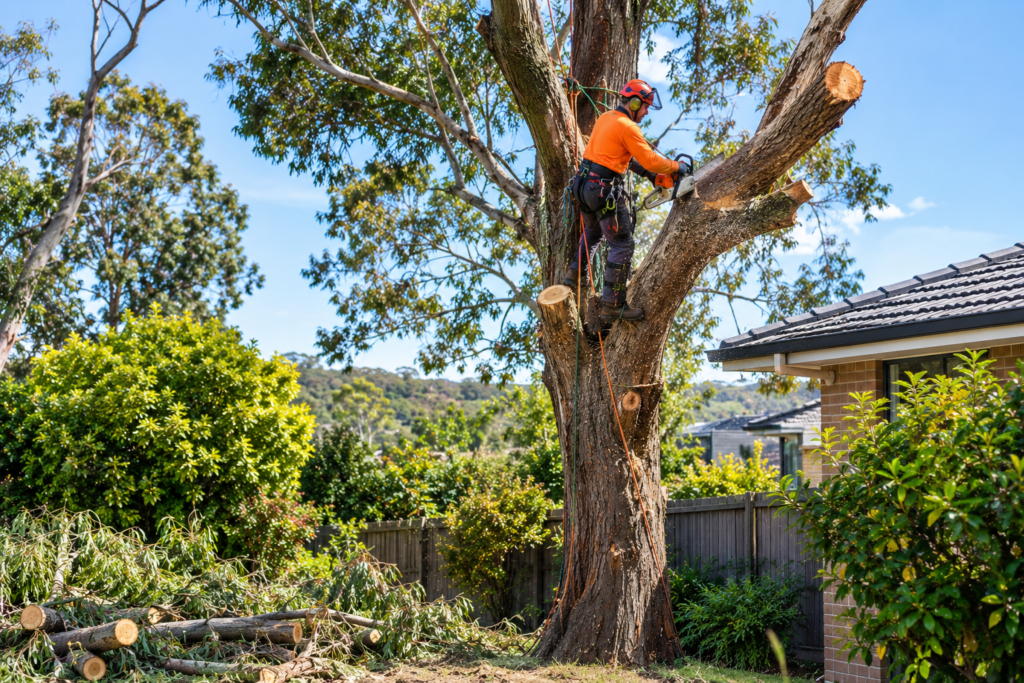
Stump removal can involve heavy machinery, underground roots and difficult working conditions. Attempting to remove a large stump without the right equipment can cause property damage or result in personal injury.
Professionals can assess the stump and surrounding area before selecting an appropriate method. They can also use specialised equipment designed to grind or remove stumps efficiently.
Professional Stump Removal in Cockatoo can therefore make the process more controlled and help reduce the risks associated with handling large or deeply rooted stumps.
The terms are sometimes used interchangeably, but they can describe different processes.
Stump grinding generally involves reducing the visible stump to below ground level while leaving much of the deeper root system in place. Complete stump removal involves extracting the stump and, where necessary, a larger portion of its root system.
The appropriate option depends on what you want to do with the area. If you simply want to eliminate the visible obstacle and prepare the surface for landscaping, grinding may be sufficient. If construction or extensive replanting is planned, more extensive excavation may be considered.
There is no single timeframe that applies to every property. A stump that is obstructing a pathway, attracting unwanted pests, interfering with landscaping or creating a safety concern may warrant earlier attention.
Similarly, if you are planning a garden renovation, installing new landscaping or extending an outdoor area, removing the stump beforehand can make the project easier.
It is generally useful to consider stump removal as part of the wider property maintenance plan rather than waiting until the stump becomes a significant obstacle.
An unwanted tree stump can gradually become more than an eyesore. It may interfere with lawn care, limit landscaping options, create trip hazards and make an outdoor area harder to maintain.
Stump Removal in Cockatoo provides homeowners with several options for reclaiming garden space and improving the usability of their property. Stump grinding, complete excavation and natural decomposition each have different advantages, so the most suitable approach will depend on the individual circumstances.
Before proceeding, consider the stump’s condition, surrounding structures, underground services and your plans for the area. Professional assessment can help determine the safest and most practical method.
With careful planning, Stump Removal in Cockatoo can be an effective part of maintaining a tidy, functional and well-managed Australian garden.