Newsletter Subscribe
Enter your email address below and subscribe to our newsletter

 ByJohn A
Regular property maintenance involves more than repairing damaged fixtures or cleaning visible surfaces. Paint also plays an important role in keeping a property in good condition. Professional interior and exterior painting services can help maintain surfaces, improve appearance, and address signs of wear before they become larger problems. While painting is often associated with renovation and decoration, it can also contribute to the long-term care of residential and commercial properties.
Understanding the maintenance benefits of painting can help property owners identify when surfaces need attention and why timely preparation and application matter.
Paint provides more than colour. When correctly applied to a properly prepared surface, it can create a protective layer that helps surfaces withstand everyday use and environmental exposure.
Interior walls can experience scuffs, stains, moisture, and general wear. Exterior surfaces are exposed to sunlight, rain, wind, temperature changes, and other environmental conditions. Over time, these factors can affect the condition of painted surfaces.
See also: When Should You Hire Residential Roofers in Central Coast for Your Home?
Interior walls and ceilings can gradually develop marks, scratches, stains, and fading. High-traffic areas are particularly likely to show signs of use.
A suitable paint system can help create a durable surface that is easier to maintain. Repainting worn areas can also prevent minor surface deterioration from becoming more noticeable or difficult to address.
Exterior paint is exposed to considerably more demanding conditions. Rain, humidity, ultraviolet radiation, dirt, and temperature fluctuations can gradually affect painted surfaces.
Maintaining exterior coatings can help preserve the underlying surfaces. However, paint cannot replace proper repairs or solve structural problems. Cracks, leaks, rot, or significant substrate damage should be assessed and repaired before painting.
Interior painting is an important part of maintaining rooms throughout a property. Walls and ceilings can lose their original appearance over time, even when the property is otherwise well maintained.
Daily activities can cause gradual changes to interior surfaces. Furniture movement, children, pets, cleaning, and regular foot traffic can leave marks and scuffs.
A fresh coat of appropriate paint can restore the appearance of tired surfaces. It can also create a cleaner and more consistent finish throughout a room.
Painting projects typically involve preparation before the new coating is applied. Depending on the condition of the surface, preparation may include cleaning, sanding, filling small imperfections, and removing loose or damaged paint.
These steps can improve the final appearance and help the new coating adhere properly.
Different rooms can have different maintenance requirements. Kitchens and bathrooms may experience higher levels of moisture, while hallways and living areas may experience more physical contact.
Selecting suitable paint for each environment can help ensure that the coating is appropriate for the conditions it will face.
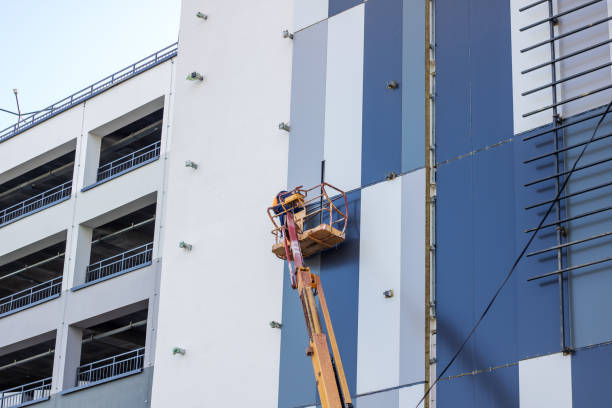
Exterior painting can be particularly important because outdoor surfaces are continuously exposed to changing weather conditions.
Sunlight can cause paint to fade, while rain and moisture can contribute to surface deterioration when underlying materials are not adequately protected.
Regular inspection and timely repainting can help maintain exterior coatings before they become severely worn.
An exterior painting project provides an opportunity to inspect visible surfaces. Peeling paint, cracks, bubbling, staining, and areas of deterioration can indicate that additional maintenance may be required.
Painting should therefore be viewed as part of a broader maintenance process rather than simply a cosmetic upgrade.
The condition of exterior paint contributes significantly to the overall appearance of a property. Faded, peeling, or inconsistent paint can make a well-maintained property appear neglected.
Maintaining exterior surfaces can help keep the property looking cared for and presentable.
Painting does not eliminate the need for other forms of maintenance, but it can form an important part of a property’s overall maintenance schedule.
Worn paint can expose surfaces to further deterioration. Once coatings begin to fail, moisture and environmental exposure may have a greater effect on some underlying materials.
Addressing deteriorating paint early can make maintenance more manageable. It is important, however, to investigate the cause of paint failure rather than simply covering the affected area.
Regular repainting can help maintain a consistent appearance. This is especially useful for properties that need to remain presentable for occupants, visitors, tenants, or customers.
A planned maintenance approach can also make painting more predictable than waiting until surfaces become severely damaged.
The quality of a painting project depends heavily on preparation. Applying new paint over dirty, loose, damp, or damaged surfaces can lead to poor adhesion and an uneven finish.
Surfaces should be appropriately cleaned before painting. Dirt, grease, dust, mould, and loose coatings may need to be addressed depending on the location and condition of the surface.
Minor cracks and imperfections may also require suitable preparation before the new coating is applied.
Moisture can be a major cause of paint deterioration. Bubbling, peeling, staining, or recurring mould may indicate an underlying moisture issue.
Painting over a persistent moisture problem may only provide a temporary improvement. The source of the moisture should be identified and addressed before repainting where necessary.
Not every paint product is suitable for every surface or environment. Interior and exterior coatings are designed for different conditions, and specific rooms may also require different characteristics.
For interior areas, factors such as durability, cleanability, sheen, and moisture exposure can influence paint selection.
High-use areas may benefit from coatings that can withstand regular cleaning, while other spaces may have different performance requirements.
Exterior coatings need to withstand environmental exposure. Resistance to weather, sunlight, moisture, and temperature changes can be important considerations.
The condition and type of the underlying surface should also be considered when selecting an appropriate coating system.
Knowing when to repaint can help property owners maintain surfaces before deterioration becomes extensive.
Common signs include:
These signs do not always mean that painting alone is the solution. The underlying cause should be assessed, particularly when damage is recurring.
A planned painting schedule can provide several practical benefits for property owners.
Fresh, well-maintained paint can make interior and exterior areas look cleaner and more consistent.
Proper coatings can provide an additional layer between surfaces and everyday wear or environmental exposure.
Appropriate interior paint finishes can make some surfaces easier to clean and maintain, particularly in high-use areas.
Addressing painting before surfaces become severely deteriorated can help property owners organise maintenance work more effectively.
Interior and exterior painting are important components of property maintenance. Beyond improving appearance, properly selected and applied coatings can help maintain surfaces, manage everyday wear, and provide protection against environmental exposure.
Regular inspections can help identify fading, peeling, cracking, moisture-related problems, and other signs that maintenance may be required. Proper preparation is equally important because painting over damaged or unsuitable surfaces can result in premature coating failure.
By treating painting as part of an ongoing maintenance strategy rather than an occasional cosmetic project, property owners can help keep their interiors and exteriors in better condition and maintain a clean, well-presented property over time.